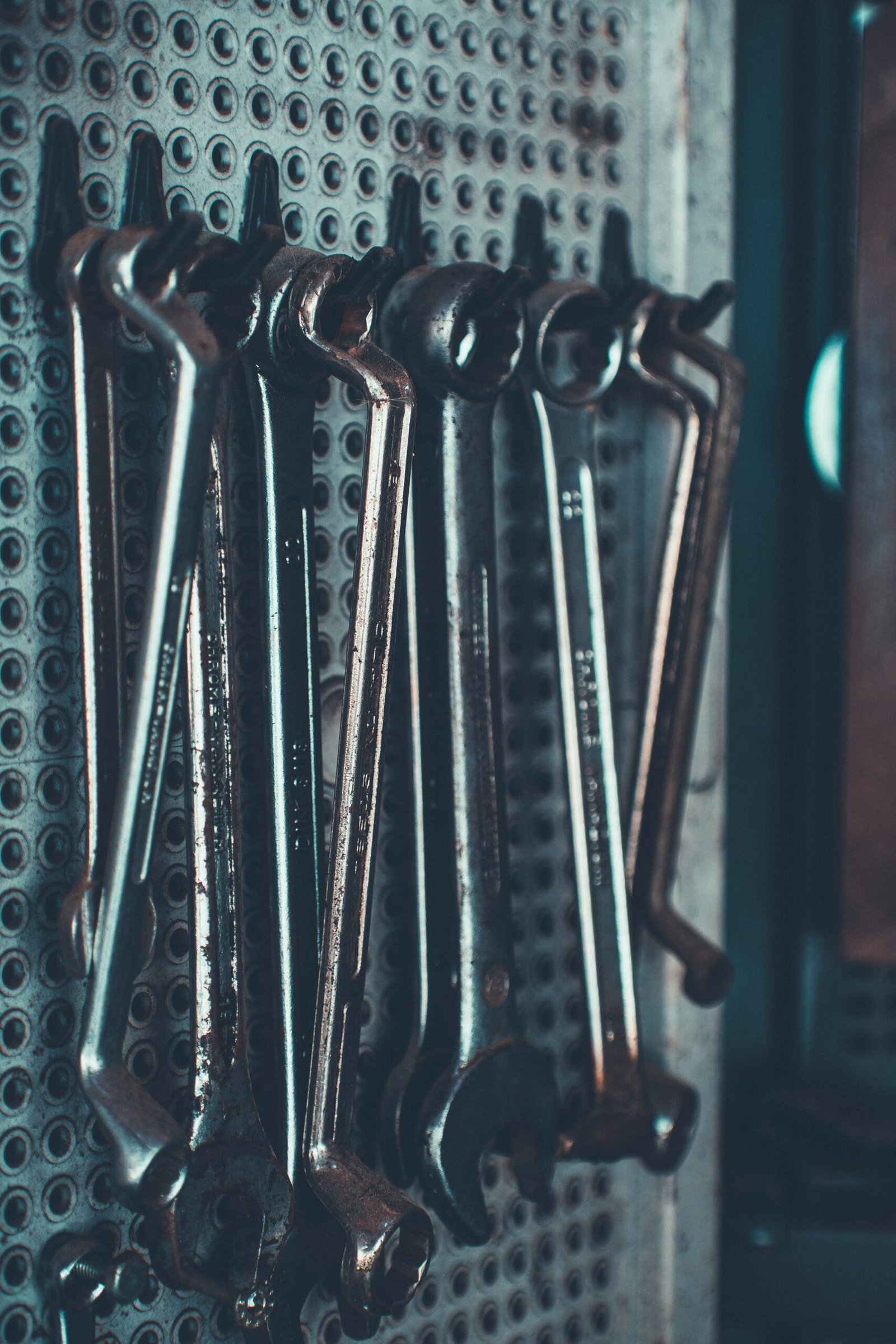
Adjustable wrenches are among the most widely used hand tools across industries. Their defining feature—a movable jaw controlled by a worm screw—allows them to grip fasteners of various sizes, making them highly versatile. This flexibility is the result of a detailed and highly controlled manufacturing process that combines metallurgy, precision engineering, and modern machining techniques.
What is an Adjustable Wrench?
An adjustable wrench is a hand tool designed to grip and turn nuts and bolts of different sizes using an adjustable jaw mechanism. Unlike fixed spanners, it can adapt to multiple fastener sizes, making it a versatile solution in both industrial and household applications. The tool consists of a fixed jaw, a movable jaw, and a worm gear mechanism, all working together to provide a secure grip and smooth adjustment.
Process of Adjustable Wrench Manufacturing
The manufacturing process of an adjustable wrench involves several stages, including raw material selection, forging, machining, heat treatment, finishing, assembly, and quality control. Each stage plays a critical role in ensuring the final product delivers high torque performance, durability, and precision. A reliable wrench manufacturer in India follows strict quality standards and advanced production techniques to ensure consistent performance and global competitiveness.
Raw Material Selection
The process begins with selecting high-quality raw materials. The strength and durability of the wrench depend heavily on the material used. Common materials include chrome vanadium steel, carbon steel, and alloy steel. Chrome vanadium steel is widely preferred due to its excellent strength, corrosion resistance, and wear resistance. The selected material must exhibit high tensile strength, good machinability, and resistance to impact and wear.
Cutting and Billet Preparation
Once the material is selected, steel bars are cut into smaller pieces known as billets. These billets are prepared according to the size and specifications of the wrench. Automated cutting machines ensure precision and consistency, while preheating prepares the billets for the forging process. Uniform billet size is essential for maintaining consistency and reducing production defects.
Drop Forging Process
Forging is a crucial step that shapes the wrench and enhances its strength. In this process, the billets are heated to high temperatures and placed between forging dies. A hammer or press applies significant force to shape the metal into the rough form of a wrench. This process improves the grain structure of the metal, resulting in increased durability, toughness, and resistance to mechanical stress.
Flash Trimming and Surface Cleaning
After forging, excess material known as flash is removed to refine the shape of the wrench. The surface is then cleaned using methods such as shot blasting or sandblasting to remove scale and impurities. This step ensures a smooth and clean surface, preparing the wrench for further machining.
Precision Machining
The forged wrench undergoes precision machining to achieve accurate dimensions and functionality. CNC machines are used to perform operations such as milling, drilling, slotting, and thread cutting. These processes refine the shape of the wrench and create the necessary features for the adjustable mechanism. Precision machining ensures that the wrench can grip fasteners securely without slipping.
Manufacturing Key Components
The movable jaw and worm gear are manufactured separately to ensure precision and functionality. The movable jaw is forged and machined to achieve tight tolerances and smooth sliding. The worm gear is made from hardened steel and undergoes precise thread cutting to ensure smooth operation. These components are critical to the adjustable functionality of the wrench.
Heat Treatment
Heat treatment is applied to enhance the mechanical properties of the wrench. Processes such as hardening, tempering, and annealing improve hardness, toughness, and wear resistance. This step ensures that the wrench can withstand high torque without deforming and maintains its performance over time.
Grinding and Finishing
After heat treatment, the wrench is subjected to grinding and polishing to achieve a smooth surface and precise dimensions. Deburring removes sharp edges, making the tool safe to handle. This stage improves both the functionality and appearance of the wrench.
Assembly Process
During assembly, the movable jaw is inserted into the wrench head, and the worm gear is installed. The components are carefully aligned to ensure smooth operation. The adjustment mechanism is tested to confirm that the jaw moves freely and locks securely in place.
Surface Coating and Protection
To protect the wrench from corrosion and enhance its durability, surface coatings are applied. Common coatings include chrome plating, black oxide, and phosphate coating. These coatings improve resistance to rust and wear while also enhancing the tool’s appearance.
Marking and Identification
Manufacturers add markings to the wrench using laser marking or stamping. These markings include the brand name, size capacity, material type, and compliance with industry standards. This information helps users identify the tool and ensures traceability.
Quality Control and Testing
Quality control is an essential part of the manufacturing process. Various tests are conducted to ensure the wrench meets performance standards. These include hardness testing, torque testing, jaw alignment checks, and visual inspection. Only tools that pass all tests are approved for distribution.
Packaging and Distribution
After inspection, the wrenches are packaged for distribution. Packaging methods include blister packs, bulk packaging, and customized OEM solutions. Proper packaging protects the tools during transportation and enhances their presentation.
Key Design Considerations
Design factors such as jaw capacity, handle length, and ergonomics play a significant role in the performance of the wrench. Longer handles provide higher torque, while ergonomic designs improve user comfort and control.
Challenges in Manufacturing
Manufacturers face challenges such as maintaining tight tolerances, ensuring consistent heat treatment, and preventing surface defects. Advanced technologies like CNC machining and automated quality control systems help address these challenges.
Future Trends in Wrench Manufacturing
The industry is evolving with the adoption of automation, robotics, and AI-based inspection systems. Sustainable manufacturing practices and eco-friendly coatings are also gaining importance. These innovations aim to improve efficiency, reduce costs, and enhance product quality.
Conclusion
The adjustable wrench manufacturing process is a complex and carefully controlled sequence of steps. From raw material selection to final quality inspection, each stage contributes to the strength, precision, and durability of the tool. Understanding this process provides valuable insights for manufacturers, engineers, and buyers, helping them make informed decisions and maintain high-quality standards.